


But behind that simple action is a system that affects:
- Water usage
- Hygiene
- Long-term maintenance
- User comfort
I’ve worked with many customers who didn’t think about WC flushing until something went wrong: Weak flushes, frequent clogs, or high water bills.
This guide explains WC flushing in a clear and practical way—no technical overload, no marketing talk. By the end, you’ll understand:
- How toilet flushing works step by step
- The main flushing systems used today
- How much water each system uses
- Which flushing system fits different spaces best
What Is Toilet Flushing?
Toilet flushing is the process of removing waste from the toilet bowl using water and pressure, then refilling the bowl for the next use.
When you flush a toilet, several things happen at once:
- Water is released from the tank
- Pressure pushes waste through the trapway
- A siphon effect pulls everything into the drain
- Fresh water refills the bowl and tank
The method used to create that pressure is what defines the toilet flushing system.

How Toilet Flushing Works (Step by Step)
[Image of toilet flushing mechanism step by step]Step 1: Flush Activation
You press a handle, button, or sensor.
Step 2: Water Release
The flapper valve opens, letting water flow from the tank into the bowl.
Step 3: Siphon Effect
As water rushes into the bowl, it creates suction in the trapway. This siphon pulls waste downward.
Step 4: Waste Removal
Waste moves through the drainpipe and into the sewer system.
Step 5: Refill
The fill valve refills the tank and bowl to the correct water level. If any of these steps fail, toilet flushing becomes weak or unreliable.
Main Types of Toilet Flushing Systems
1. Gravity Flush System
Gravity flush is the most common toilet flushing method in residential homes. It uses the natural force of gravity to move water from the tank into the bowl.
Why it’s popular: Simple structure, quiet operation, and easy maintenance.
Limitations: Uses more water and flush strength depends on tank design.
2. Pressure-Assisted Flush System
Pressure-assisted toilet flushing uses compressed air inside the tank. When flushed, air pressure forces water into the bowl with extra power.
Advantages: Very strong flush, fewer clogs, and good for heavy use.
Disadvantages: Louder noise, higher cost, and more complex internal parts.
3. Dual Flush System
Dual flush toilets offer two flushing options: a small flush for liquid waste and a full flush for solid waste. This design gives users control over water use.
Benefits: Significant water savings, lower utility bills, and more environmentally friendly.
Research referenced by Stanford University shows that dual flush systems can reduce water usage by more than half compared to older toilets.
Dual flush systems are commonly found in modern one-piece toilets and two piece toilets.
4. Touchless Flush System
Touchless toilet flushing uses sensors instead of physical buttons. The toilet flushes automatically when the user leaves.
Best for: Public restrooms, hospitals, and commercial buildings.
Touchless flushing reduces contact with surfaces and helps improve hygiene in shared spaces.

Comparison Table: Toilet Flushing Systems
| Flushing System | Water Use | Flush Power | Noise | Maintenance | Best Use |
|---|---|---|---|---|---|
| Gravity Flush | Medium–High | Medium | Quiet | Easy | Homes |
| Pressure-Assisted | Low–Medium | Strong | Loud | Medium | Public |
| Dual Flush | Low | Medium–Strong | Quiet | Medium | Homes & Hotels |
| Touchless | Varies | Medium | Medium | Medium | Commercial |
Key Components That Affect Toilet Flushing
Most toilets use the same basic components:
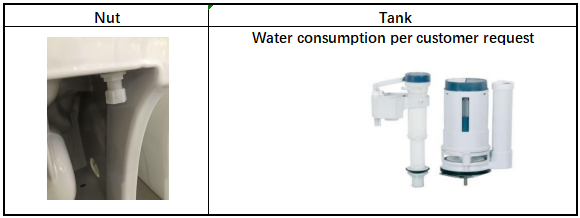
- Toilet tank – stores flushing water
- Flapper valve – releases water
- Flush valve – controls water flow
- Siphon – creates suction
- Overflow tube – prevents spills
- Fill valve – refills water
Even the best toilet flushing system will perform poorly if these parts are worn out.
Toilet Flushing and Water Efficiency
Older toilets often use over 6 liters per flush, while modern toilets typically use 3 liters for liquid waste and 4.5–4.8 liters for solid waste.
According to Family Handyman, upgrading toilet flushing systems is one of the easiest ways to reduce household water use. This is why wall-hung toilets focus heavily on efficient flushing.
Smart Toilets and Advanced Flushing Technology
Smart toilets combine technology and comfort. Brands like TOTO and Kohler popularized advanced systems. Common features include:
- Automatic flushing
- Built-in bidet washing
- Heated seats
- Self-cleaning bowls

You can explore modern smart toilets here.
Common Flushing Problems and Solutions
Weak Flush: Usually mineral buildup in rim jets.
Running Toilet: Often a worn flapper or fill valve.
Frequent Clogs: The flush system is unsuitable for usage levels.

FAQ about Toilet Flushing
Q1. Which flushing system is best?
Dual flush suits most homes.
Q2. Does stronger flushing mean more water use?
Not always. Pressure-assisted systems use force.
Q3. Are smart toilets practical?
Yes, especially for hygiene.
Q4. How long do flushing components last?
5–10 years with proper care.

