


A loud toilet flush can startle guests in a hotel. It can wake up neighbors in an apartment building. If you’re a contractor, project manager, or buyer specifying products for a commercial project, you need to know about the standard of toilet flushing noise levels.
I’m going to explain what you should know about toilet flushing noise. I’ll cover industry standards, practical considerations for different project types, and how to select the right products.
Understanding Toilet Flushing Noise Levels
First, let’s talk about how we measure sound. We use decibels (dB). 0 dB is the quietest sound a human can hear. 140 dB is painful. A normal conversation is about 60 dB. A vacuum cleaner is around 70 dB.
Toilet flushing noise varies a lot. Standard gravity-fed toilets usually make 55-75 dB during a flush. Pressure-assisted toilets can reach 80 dB or more. Quiet flush toilets are much lower – 40-50 dB. That’s like a soft whisper.
Why does this matter for your projects? According to acoustics experts, regular exposure to sounds above 85 dB can damage hearing. In multi-family housing, this is a real concern.
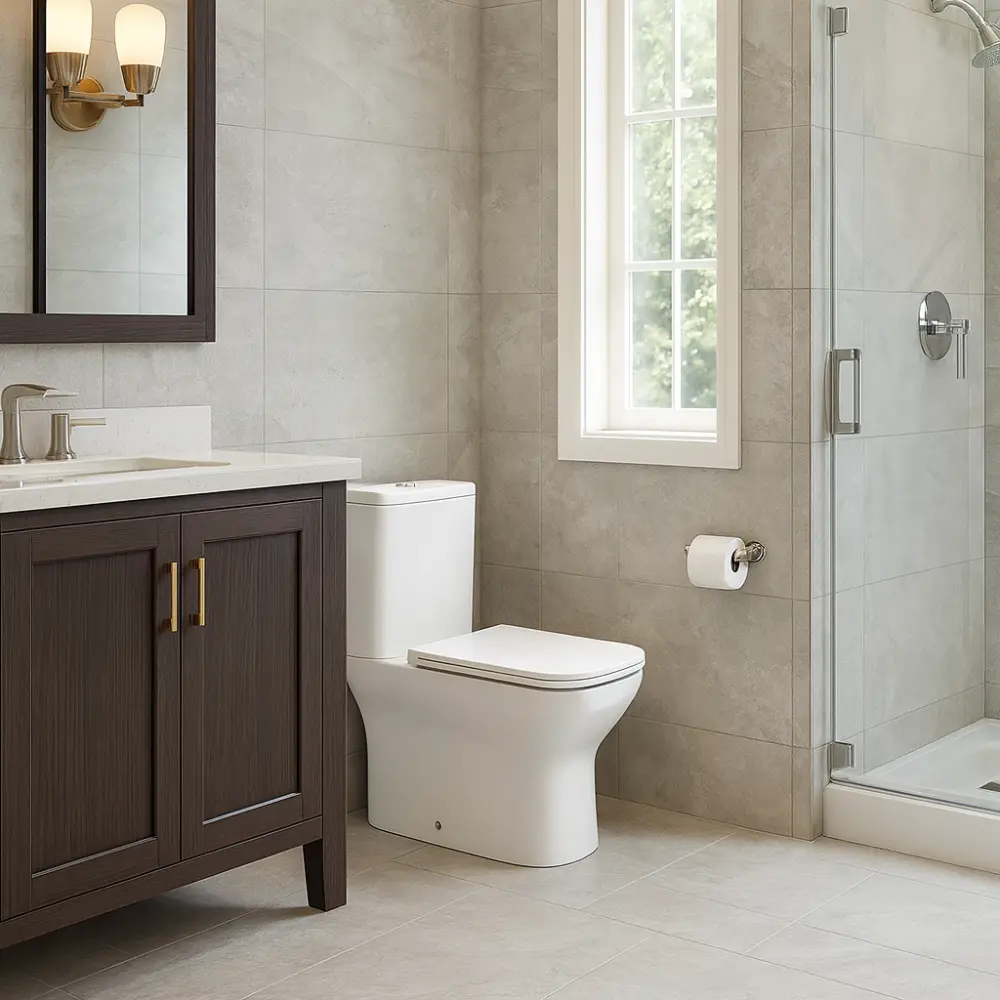
Global Standards and Regulations
There’s no single global standard for toilet flushing noise. Regulations vary by country and building type.
United States Standards
In the US, ASHRAE (American Society of Heating, Refrigerating and Air-Conditioning Engineers) has guidelines. They suggest bathroom noise shouldn’t exceed 35 dB during the day or 25 dB at night in homes.
These are recommendations, not laws. But smart builders follow them anyway.
European Union Standards
European countries have stricter rules. Germany’s DIN 4109 standard says water installations (including toilets) shouldn’t exceed 30 dB in living spaces. Some Nordic countries require even quieter – 25 dB maximum.
If you’re working on a project in Europe, you need to know these numbers.
International Plumbing Standards
The International Plumbing Code (IPC) and Uniform Plumbing Code (UPC) don’t specify maximum decibel levels. They focus on water efficiency and performance instead.
This gap means we rely on industry standards and manufacturer innovation.
Factors That Affect Toilet Noise
Several things determine how loud a toilet will be. Understanding these helps you choose the right product for each project.
- Flush mechanism type: Gravity-fed toilets are usually quieter. Pressure-assisted toilets are louder but more powerful.
- Toilet design: One-piece toilets often vibrate less than two-piece models. But modern two-piece toilets with good installation can be just as quiet.
- Water pressure: High pressure means more noise. Your plumbing setup matters too.
- Installation quality: A poorly installed toilet will rattle and vibrate. Get it done right.
Industry Developments and Quiet Technologies
The plumbing industry has developed several technologies to reduce flushing noise. Here’s what manufacturers are doing:
- Vacuum-assisted flushing: Uses a partial vacuum to pull waste through. Needs less water and makes less noise.
- Acoustic insulation: Special materials inside the tank absorb vibration and reduce noise transmission.
- Variable flush technology: Dual-flush toilets let users choose less water for liquid waste. Less water means less noise.
- Soft-close components: While not about flushing, these prevent the loud slam of toilet lids.
Product Spotlight: CL-711 One-Piece Smart Toilet
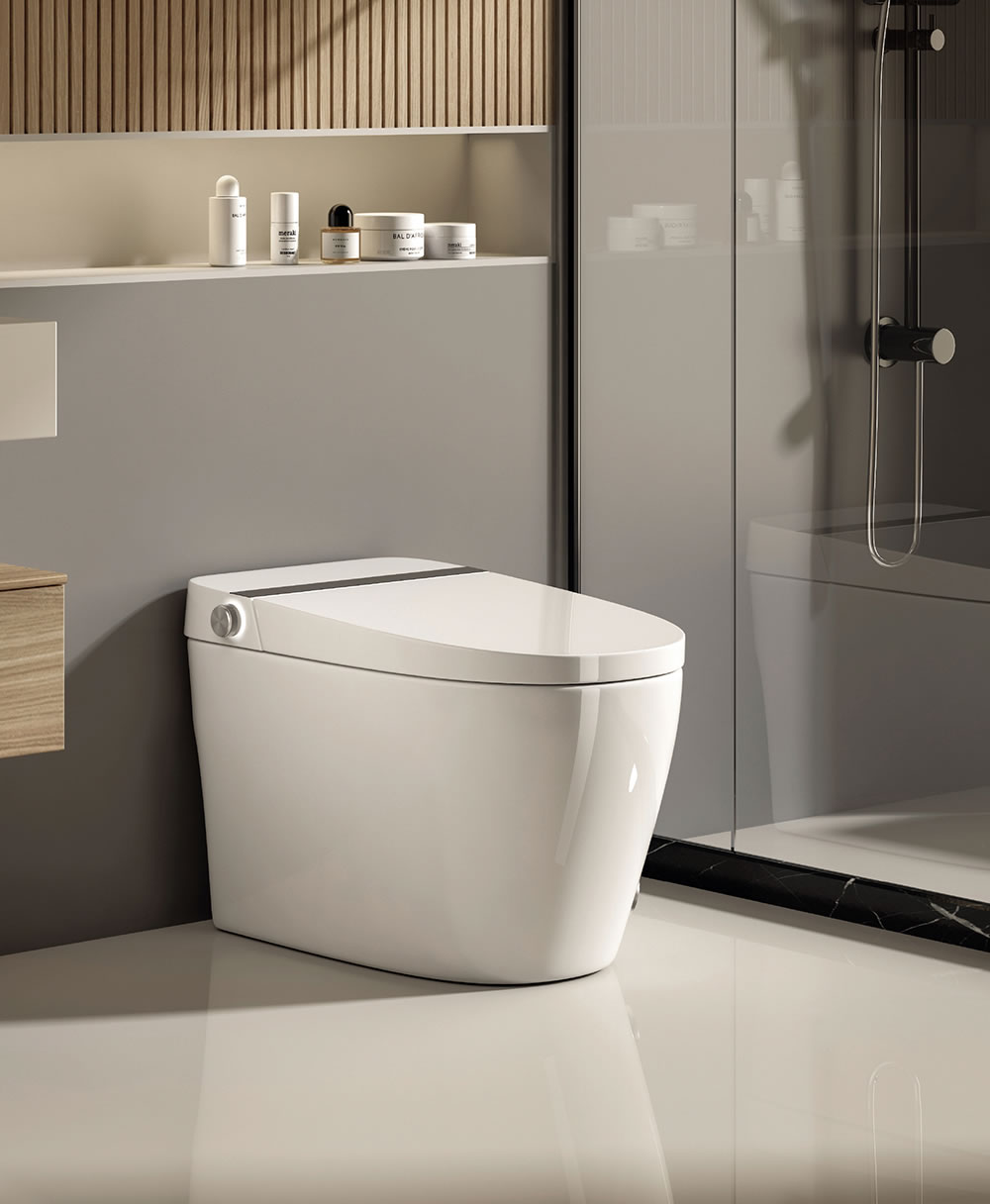
The CL-711 features a gravity-fed flush system designed for quiet operation. It produces around 45-55 dB during flushing – well below most residential noise guidelines. The one-piece construction reduces vibration, and the insulated tank helps contain sound. This makes it a good choice for hotels, senior living facilities, and residential projects where noise matters.

Practical Solutions for Different Projects
Here’s what I recommend based on project type:
Hotels and Resorts: Guests value quiet. Choose toilets with acoustic insulation and gravity-fed mechanisms. Aim for below 50 dB.
Senior Living Facilities: Noise affects sleep quality. Select the quietest options available. Consider toilets with soft-close seats too.
Multi-Family Housing: Neighbor noise is a common complaint. Use sound-dampening materials in walls between units. Choose quiet flush toilets for all units.
Office Buildings: Focus on reliability and maintenance. Pressure-assisted toilets might work better here, even if they’re slightly louder.
The Future of Toilet Noise Standards
I expect more regulations in coming years. Here’s why:
Open-concept living spaces are popular. They have fewer walls to block sound. Plumbing noise becomes more noticeable.
Mixed-use buildings combine residential and commercial spaces. This creates complex noise challenges.
People care more about sleep quality now. They understand how noise affects it.
As regulations evolve, we’ll likely see standardized testing methods and mandatory labeling for toilet noise performance.
FAQ: Toilet Flushing Noise Levels for Commercial Projects
Q1: What’s a reasonable noise level for hotel toilets?
For hotels, aim for 45-55 dB maximum. Guests expect quiet, especially at night. Some luxury hotels specify even lower – 40 dB or less.
Q2: Do I need different toilets for residential vs. commercial projects?
Sometimes. Residential projects often prioritize quiet operation. Commercial projects might prioritize durability and maintenance access. But quiet operation matters in both.
Q3: How much does installation affect noise?
A lot. Poor installation can add 5-10 dB to the noise level. Make sure installers follow manufacturer guidelines exactly.
Q4: Are pressure-assisted toilets always noisier?
Usually, yes. But modern designs have improved. Some are only slightly louder than gravity-fed models now.
Q5: What certifications should I look for?
Look for IAPMO certification for North American projects. For Europe, check for CE marking. Some manufacturers also provide independent noise testing reports.
Q6: How do I compare noise levels between products?
Ask manufacturers for decibel ratings at 1 meter distance. Make sure they’re testing the same way. Some test empty bowls, others with waste.
Q7: Can I retrofit existing toilets to be quieter?
To some extent, adding soundproofing to walls helps. Replacing supply lines with flexible ones can reduce vibration. But replacing the toilet is usually more effective.
Q8: What about water efficiency and noise?
There’s often a trade-off. Very low-flow toilets sometimes need more pressure to work well, which can mean more noise. Look for models that balance both.
Conclusion about Toilet Flushing Noise Levels
There’s no single global standard for toilet flushing noise. But various regional guidelines and industry practices give us a framework to work with.
For your projects, consider these key points:
- Know your local regulations and client expectations
- Understand the factors that affect noise
- Choose products designed for your specific project type
- Don’t underestimate the importance of proper installation
As a manufacturer, we see the industry moving toward quieter products. We’re developing technologies to meet this demand without sacrificing performance.
If you’re working on a project where noise matters, take the time to specify the right products. Your clients – and their guests or residents – will appreciate it.
Note for Buyers and Specifiers: When requesting quotes for toilet fixtures, include noise level requirements in your specifications. Ask manufacturers for decibel ratings at standard testing conditions. For projects with strict noise requirements, consider requesting samples for on-site testing before making bulk purchases.
Need help selecting toilets for a specific project? Contact our team to discuss your requirements and get product recommendations.

